Curriculum
At Leweston, equestrian education is more than a passion, it’s a pathway. Our structured academic riding programmes offer students the opportunity to gain nationally recognised qualifications, develop lifelong skills, and prepare for careers in the equine industry. Whether you're an aspiring professional or simply passionate about horses, Leweston’s equestrian curriculum supports every rider’s journey.
Years 10 and 11: BHS Challenge Awards and Stage 2 Qualifications
Launching in 2026, pupils in Years 10 and 11 can take part in a tailored programme that blends practical riding with theoretical knowledge, aligned with the British Horse Society (BHS) Challenge Awards and Stage 2 preparation.
- BHS Challenge Awards: These modular awards build confidence and competence in horse care and riding. Students explore topics such as grooming, tack fitting, feeding, and groundwork, with each module offering a certificate of achievement.
- BHS Stage 2 Preparation: For those ready to progress, Leweston offers support towards the BHS Stage 2 qualification—an essential step for anyone considering a professional equestrian career. This includes:
- Flatwork and jumping skills
- Horse care and stable management
- Understanding equine health and anatomy
These qualifications are recognised across the UK and internationally, providing a strong foundation for further study or employment in the equine sector. Whilst not equivalent to a GCSE they can be built into a pupil's programme of study for the GCSE years.
Sixth Form: Equine Management Programme
Leweston’s Sixth Form students interested in studying Equine Management can choose from the BTEC Level 3 Extended Certificate (equivalent to one A Level) or BTEC National Extended Diploma (equivalent to three A Levels). Both courses combine academic study with vocational equestrian training.
- Curriculum Integration: Students gain hands-on experience in stable management, horse care, and riding, alongside classroom-based learning in equine science, business, and welfare.
- Leadership and Responsibility: Sixth Formers take on mentoring roles within the stables, supporting younger riders and helping manage the day-to-day running of the yard.
- Career Pathways: The programme prepares students for university courses in equine science, veterinary nursing, and sports therapy, or direct entry into the equestrian industry.
National Extended Certificate
This qualification provides a stimulating programme for students aiming for a career in the equine sector. It can prepare learners for a range of apprenticeships or for direct entry into roles such as trainee groom or stable yard worker. When taken alongside additional qualifications, it also supports progression to a variety of higher education courses in equine management.
What will you study?
There are four mandatory units:
-
Unit 1: Equine Structure, Form and Function
-
Unit 4: Work Experience in the Equine Sector
-
Unit 5: Horse Tack, Equipment and Rugs
-
Unit 6: Equine Health and Husbandry.
You will be able to add one optional unit.
All students taking the qualification will be required to engage with sector employers as part of their course, including 75 hours of evidenced work experience with an employer in the sector.
How will you be assessed?
The course includes a range of assessment types and styles. The majority of units are assessed internally but Unit 1: Equine Structure, Form and Function will be a written exam.
National Extended Diploma
This qualification is equivalent in size to three A Levels and will normally be the sole focus of a two-year study programme. It is particularly suited to students who are committed to progressing into employment within the equine industry. It also provides a strong foundation for related higher education courses, giving students the opportunity to enter the sector at a higher level or move into a more specialist role.
What will you study?
There are nine mandatory units:
-
Unit 1: Equine Structure, Form and Function
-
Unit 2: Equine Diet and Nutrition
-
Unit 3: Managing Equine Disease
-
Unit 4: Work Experience in the Equine Sector
-
Unit 5: Horse Tack, Equipment and Rugs
-
Unit 6: Equine Health and Husbandry
-
Unit 7: Preparation and Presentation for Competition Disciplines
-
Unit 8: Equine Behaviour
-
Unit 9: Managing an Equine Yard.
You will be able to select six optional units.
All students will be required to engage with sector employers as part of their course, including 300 hours of evidenced work experience with an employer in the sector.
How will you be assessed?
The course includes a range of assessment types and styles. The majority of units are assessed internally with the exception of: Unit 1: Equine Structure, Form and Function which is a written exam. Unit 2: Equine Diet and Nutrition and Unit 3: Managing Equine Disease are tasks set and marked externally and completed under supervised conditions.
Progression and Careers
These qualifications will prepare you for employment in the equine management sector, and are suitable for those wanting to enter a particular specialist area of work such as:
-
equine event manager
-
yard manager
-
stud hand
-
riding instructor
-
head groom.
Both courses carry UCAS points and meet admission requirements for many courses. Students can progress to a range of specialist degree programmes in the equine management sector, for example:
-
BSc (Hons) in Equine Sports Coaching
-
BSc (Hons) in Equine Sports Science
-
BSc (Hons) in Equine Business Management
-
BSc (Hons) in Equine Sports Therapy
-
BSc (Hons) in Equine Science and Management
-
BSc (Hons) in Equine Training and Management
-
BSc (Hons) in Equine Behaviour
Meet our students
Tabby
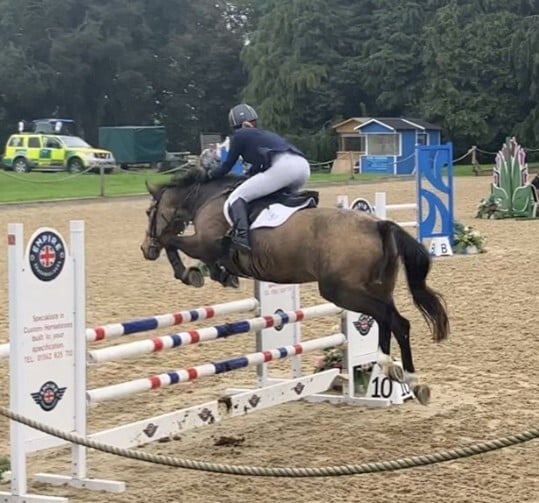
Tabby joined in Year 12 as an Equestrian Scholar and is taking the Diploma in Equine Management which is equivalent to two A-levels. She has evented to BE Novice/2*/Pony Trials. Her highlight of the course is having the opportunity to do work experience in any equestrian sector, and further developing her employability skills!
May
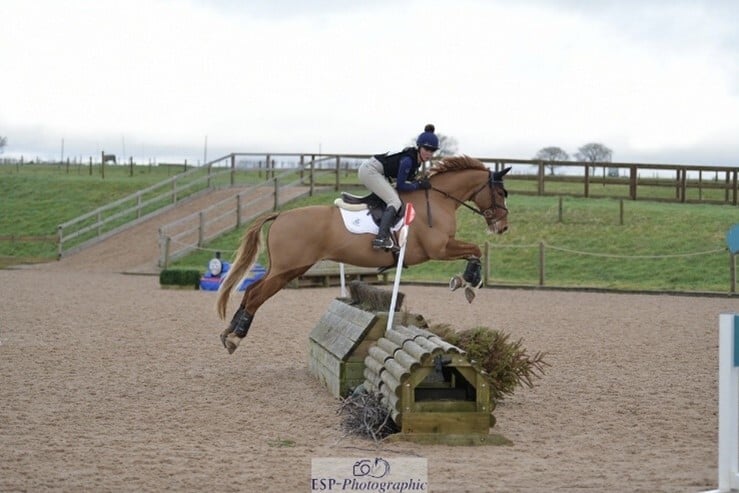
May joined in Year 5 and is an Equestrian Scholar. She is taking the Extended Certificate in Equine Management which is equivalent to one A-level) with A-level Geography, Religious Studies and Art. She has competed to 100 and is aiming to step up to BE100 this season with a newer partnership. May's favourite thing about the LCRA is learning how to coach and teach riding lessons, and how to adapt to learners.
Poppy
Poppy joined in Year 7 and is an Equestrian Scholar/ Joined Year 7. She is taking the Diploma in Equine Management which is equivalent to two A-levels. She has competed to 100 and is now working on a newer partnership post-injury! Poppy's highlights are the lectures and visitors they have to compliment their studies from people such as Jackie Potts and Abby Bunyard.
Flossie
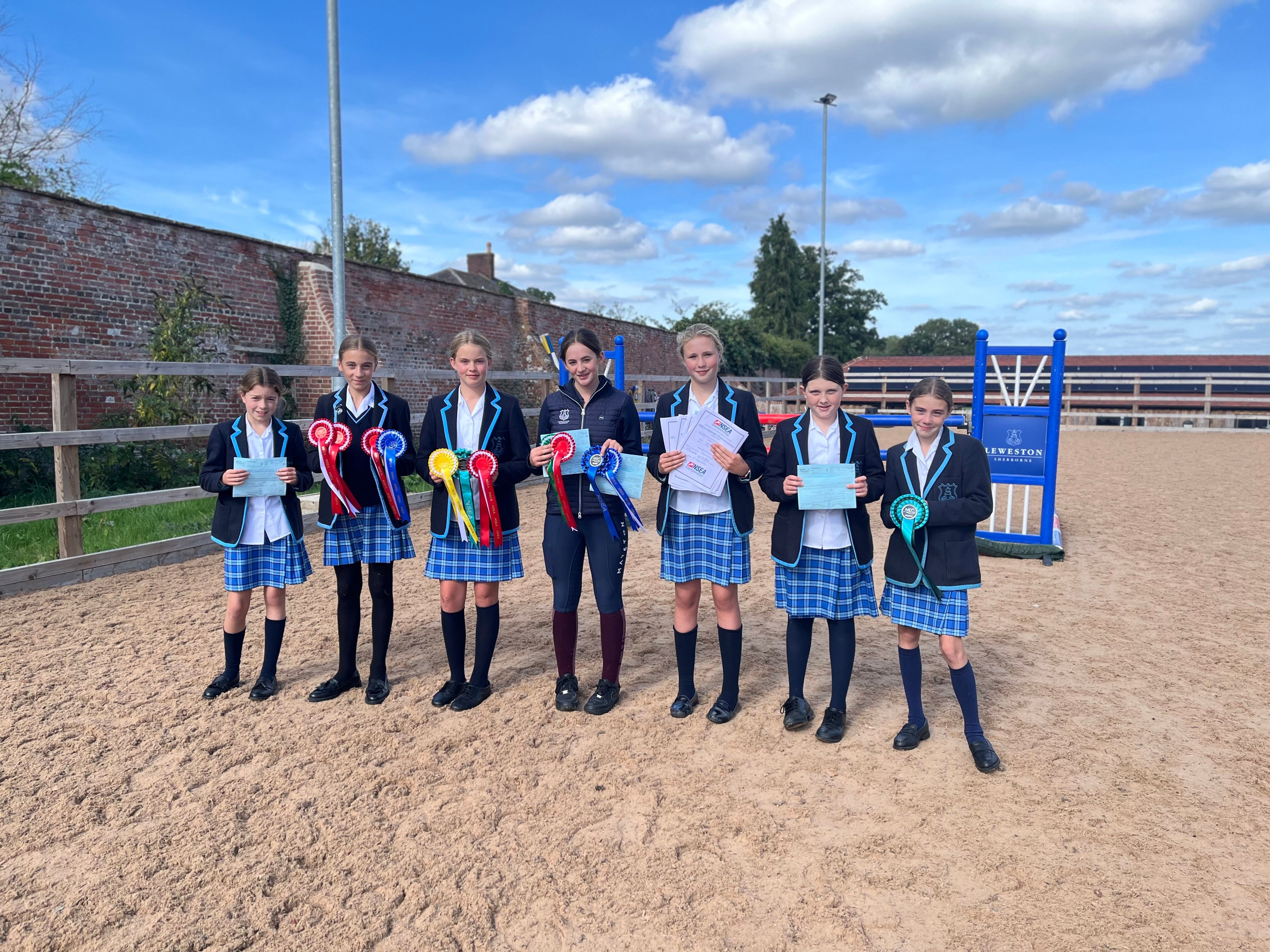
Flossie joined in Year 8 and is taking the Diploma in Equine Management equivalent to two A Levels. She has dome a little bit of everything competing to 90/100. Her favourite thing about the LCRA are the facilities available for use in practicals as well as lessons.
Why Study Equine Management BTEC?
Tabby
To prepare yourself for a future with horses, or to just enjoy the opportunity to understand them better!
May
It is much less exam-based, meaning you can build up a grade as you go along. You also get the chance to do work experience
Poppy
You gain a deeper understanding of horses that you wouldn’t get from just owning them, helping you to understand them better too
Flossie
The skills you learn set you up well to do anything beyond school, even if it isn’t horse-related
Pathway + Scholarship Opportunities
Leweston’s Equestrian Pathway offers a unique opportunity for pupils with a passion for riding to develop their skills through specialist coaching, mentoring, and hands-on experience. Open to all riders demonstrating talent and dedication, the pathway includes exclusive Yard Days, work experience placements, and discipline-specific clinics in show jumping, dressage, and eventing. Pupils also benefit from visits to leading yards, strength and conditioning sessions, and lectures on horse fitness, nutrition, and sports psychology. Saddle Club membership provides priority access to facilities and activities, supporting progression in both competitive and recreational riding.
Equestrian Scholarships are awarded at Year 7, Year 9, and Sixth Form entry, each offering an annual grant to support training, competition fees, and equestrian-related expenses. Assessment includes an equestrian CV, reference letter, video submission, and an interview with the Equestrian Manager and Director of Sport. Scholars are expected to represent Leweston in at least six competitions per year, maintain a training diary, and take an active leadership role within the Riding Academy. They also mentor younger riders and act as ambassadors for equestrian sport across the school.
Together, the Pathway and Scholarship Programme provide a comprehensive and professional framework for equestrian development, helping pupils thrive in both sport and school life.